
5 Essential Tools Every Web Business Owner Should Know About
Running a successful web business in today’s digital landscape requires more than just a great idea and a website. It demands an arsenal of specialized tools that streamline operations, enhance productivity, and provide insights that drive growth. Whether you’re launching a startup or managing an established online enterprise, knowing which tools to leverage can make a significant difference in your business’s trajectory. This post explores five indispensable tools every web business owner should be familiar with.
1. Customer Relationship Management (CRM) Software
At the heart of any successful web business is a robust Customer Relationship Management (CRM) system. CRM software helps businesses manage interactions with current and potential customers, streamline processes, and improve profitability. By collecting and analyzing data about customer interactions, CRM systems can help businesses personalize their marketing efforts, increase sales, and improve customer service. Popular CRM platforms like Salesforce, HubSpot, and Zoho CRM offer features such as contact management, sales pipeline tracking, and automated marketing workflows.
For instance, consider a small e-commerce business that wants to enhance its customer engagement. By using a CRM, this business can track customer purchase history, tailor marketing campaigns to individual preferences, and automate follow-up emails, resulting in improved customer satisfaction and increased sales.
2. E-commerce Platforms

For businesses that sell products or services online, an e-commerce platform is essential. These tools provide the infrastructure needed to conduct online transactions, from product listing to payment processing. Platforms like Shopify, WooCommerce, and BigCommerce offer user-friendly interfaces and a variety of customizable options to create a seamless shopping experience for customers.
Take Shopify, for example. It’s an all-in-one commerce platform that allows businesses to start, grow, and manage their online store. With features like mobile commerce, social media integration, and secure payment gateways, Shopify empowers business owners to reach a broader audience and streamline their operations.
3. Analytics Tools
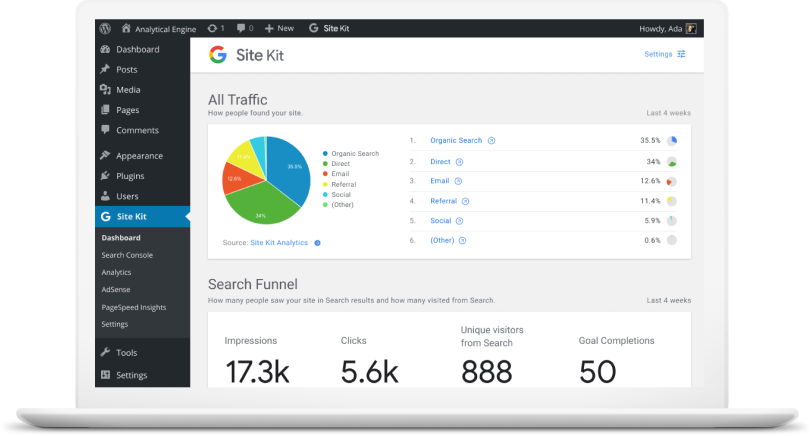
Understanding the behavior of your website visitors is crucial for making data-driven decisions. Google Analytics is one of the most widely used analytics tools, offering insights into website traffic, user demographics, and conversion rates. It helps businesses identify which marketing strategies are most effective, discover areas for improvement, and track the performance of their website over time.
In addition to Google Analytics, tools like Hotjar and Crazy Egg provide heatmaps and session recordings that offer a visual representation of how users interact with your website. This information can be invaluable for optimizing user experience and increasing conversion rates.
4. Project Management Tools
Efficient project management is key to the successful execution of business strategies. Tools like Trello, Asana, and Monday.com help web business owners organize tasks, set deadlines, and collaborate with team members, regardless of their physical location. By providing a centralized platform for communication and task management, these tools enhance productivity and ensure that everyone is aligned with the business’s goals.

Consider a digital marketing agency working on multiple campaigns simultaneously. A project management tool can help the team track progress, assign responsibilities, and ensure timely delivery of projects. This level of organization is critical for meeting client expectations and maintaining a high standard of work.
5. Email Marketing Software
Email marketing remains one of the most effective ways to reach and engage with customers. Tools like Mailchimp, Constant Contact, and SendinBlue enable businesses to create, send, and analyze email campaigns with ease. These platforms offer features such as customizable templates, audience segmentation, and performance tracking, allowing businesses to tailor their messaging and maximize their return on investment.
For example, a SaaS company looking to retain customers can use email marketing software to send personalized onboarding emails, product updates, and exclusive offers, all while tracking open rates and engagement levels to refine their strategies.
The Importance of Integrating These Tools
While each of these tools offers significant benefits on its own, their real power lies in integration. Many modern platforms offer seamless integrations with other tools, allowing businesses to create a cohesive ecosystem that enhances overall efficiency. For instance, integrating CRM software with an email marketing platform can automate the flow of customer data, enabling more personalized communication.

Similarly, connecting e-commerce platforms with analytics tools provides comprehensive insights into customer behavior, helping businesses refine their sales strategies and improve customer satisfaction. By leveraging the full potential of these integrations, web business owners can streamline operations, reduce manual work, and focus on what truly matters: growing their business.
Takeaways
Navigating the complexities of running a web business requires the right set of tools. By investing in CRM software, e-commerce platforms, analytics tools, project management systems, and email marketing software, business owners can enhance productivity, improve customer engagement, and drive sustainable growth. As the digital landscape continues to evolve, staying informed about the latest tools and technologies will be key to maintaining a competitive edge. Start exploring these essential tools today and unlock new opportunities for your web business.
For more insights into improving your web business, consider exploring resources provided by Forbes Technology Council and McKinsey Digital for the latest trends and strategies.
As web business owners continue to navigate the ever-changing digital landscape, staying ahead of the curve is essential. Embracing these essential tools not only helps in streamlining business operations but also in gaining a competitive advantage. Each tool serves a unique purpose but contributes to a larger goal—enhancing the overall efficiency and effectiveness of your business operations.
Leveraging Automation for Greater Efficiency
Automation is a critical aspect of modern web businesses. By leveraging automation tools, business owners can reduce manual tasks, minimize human error, and free up time to focus on strategic growth efforts. For example, CRM systems often come with automation features that can trigger personalized emails based on customer behavior, such as abandoned cart reminders or special birthday offers.
Moreover, project management tools with automation capabilities can automatically update team members on task progress or upcoming deadlines. This ensures everyone stays informed and aligned on project objectives, contributing to a more cohesive team effort.
Enhancing Customer Experience Through Personalization
Today’s consumers expect personalized experiences when interacting with businesses online. Utilizing data from CRM and analytics tools, web business owners can tailor their communication and offerings to meet the specific needs and preferences of each customer. This level of personalization not only improves customer satisfaction but also fosters loyalty and encourages repeat business.
For instance, an online retailer can use data insights to recommend products based on a customer’s previous purchases or browsing history. This targeted approach not only enhances the shopping experience but also increases the likelihood of conversion.
The Role of Data Security in Web Business Tools
As businesses become increasingly reliant on digital tools, data security becomes paramount. Ensuring that customer data is protected from breaches and unauthorized access is crucial for maintaining trust and compliance with regulations such as GDPR or CCPA. When choosing tools for your web business, prioritize those that offer robust security measures, such as encryption and two-factor authentication.
Additionally, regularly updating software and conducting security audits can help identify and mitigate potential vulnerabilities. By taking a proactive approach to data security, web business owners can protect their assets and reputation while fostering a secure environment for their customers.

Continuous Learning and Adaptation
The digital world is in a constant state of flux, with new technologies and trends emerging at a rapid pace. For web business owners, staying informed and adaptable is key to long-term success. Engage with industry forums, attend webinars, and subscribe to thought leadership publications to keep abreast of the latest developments.
Additionally, consider investing in training for yourself and your team to ensure you are fully leveraging the capabilities of your chosen tools. Many platforms offer online tutorials, certifications, and customer support to help users maximize the value of their products.
Conclusion: Embrace the Digital Evolution
In conclusion, the success of a web business is heavily reliant on the effective use of essential tools that drive efficiency, enhance customer experiences, and provide valuable insights. By integrating CRM software, e-commerce platforms, analytics tools, project management systems, and email marketing software into your business operations, you can create a strong foundation for growth and innovation.
Moreover, as technology continues to evolve, staying informed and adaptable will ensure that your web business remains competitive and responsive to the changing needs of the market. Embrace the digital evolution, and leverage these tools to unlock new opportunities and achieve sustainable success in your web business endeavors.
For further exploration of digital strategies and tools, you can explore resources from Gartner’s IT Insights and Harvard Business Review’s Technology Section to gain deeper insights into how technology can transform your business.